In the first quarter of the year (January to March), organisations get busy: they reset budgets, set goals, and teams return from holidays. This is when performance expectations become serious. Pulse surveys (short and regular check-ins) can greatly improve employee engagement. They help you identify problems early, take action quickly, and build trust before small issues lead to big resignations.
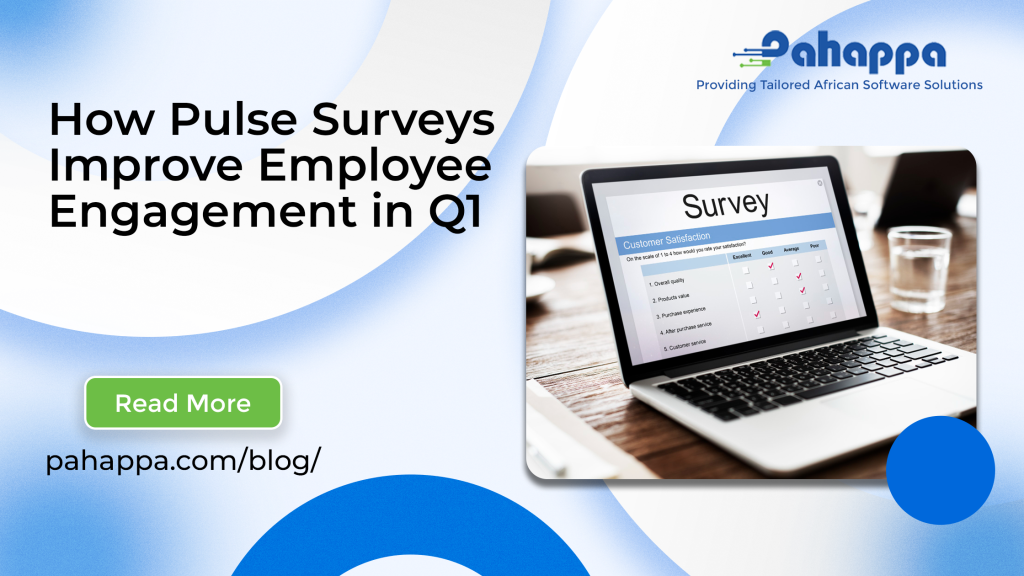
A pulse survey is a short set of questions sent regularly to measure feelings and gather ongoing feedback. Because they are quick and simple, they usually get better participation than annual surveys. However, many leaders overlook an important point: surveys alone do not improve engagement; actions do. Pulse surveys help you decide on the right actions sooner.
How do pulse surveys improve engagement in Q1?
They boost engagement by giving leaders quick, clear feedback on what helps or harms motivation. This allows the organisation to address issues early, communicate effectively, and strengthen what’s working, all while Q1 priorities and work patterns are still developing.
Why Q1 is the best time to run pulse surveys
Q1 is the “formation quarter.” During this time, people are adjusting to new targets, managers, workflows, and sometimes pay changes. This can cause engagement to change quickly.
Pulse surveys are especially useful in Q1 because they help you:
- Validate the year’s goals early: Are people clear on priorities, key performance indicators, and expectations?
- Identify workload and resource gaps quickly: Teams often start Q1 with big plans but limited capacity.
- Prevent quiet quitting: If employees feel unheard in January, you may see a drop in performance by March.
- Build trust early: Asking for feedback and acting on it sets a positive tone for the whole year.
These surveys give you timely data so you can address issues as they come up, instead of waiting months.
What “employee engagement” really means in practice
Engagement is more than just happiness. Engaged employees typically show:
- More effort, going above and beyond
- Better attendance, with fewer unexplained absences
- Consistent performance and progress towards goals
- Less conflict and fewer issues needing manager intervention
- Signals that they are likely to stay with the company
To understand what drives these outcomes, such as clarity, fairness, workload, recognition, psychological safety, growth, and trust in leadership, you can use a pulse survey.
The pulse survey flywheel: Listen – Learn – Act – Prove
To make pulse surveys improve engagement instead of just creating reports, follow these steps:
Listen: Ask a few questions (5–10) regularly.
Learn: Look for patterns based on department, location, job type, or how long employees have been with the company.
Act: Choose 1–2 actions each month that make things easier or strengthen what’s working well.
Prove: Share what you did based on employee feedback. This helps build trust.
Be careful: if you increase how often you survey and do not make any changes, employees might start to view the survey process negatively.
Turning pulse feedback into action with an HR operating system
Pulse surveys show how people feel. To boost engagement, you also need systems that help you take action quickly, fairly, and consistently.
An HR platform like PahappaHR can help with this. PahappaHR automates key HR tasks, such as payroll, leave, attendance, performance, and staff records. This allows HR to spend less time on admin work and more time focusing on people.
How PahappaHR supports engagement action
Performance management connects feedback to goals.
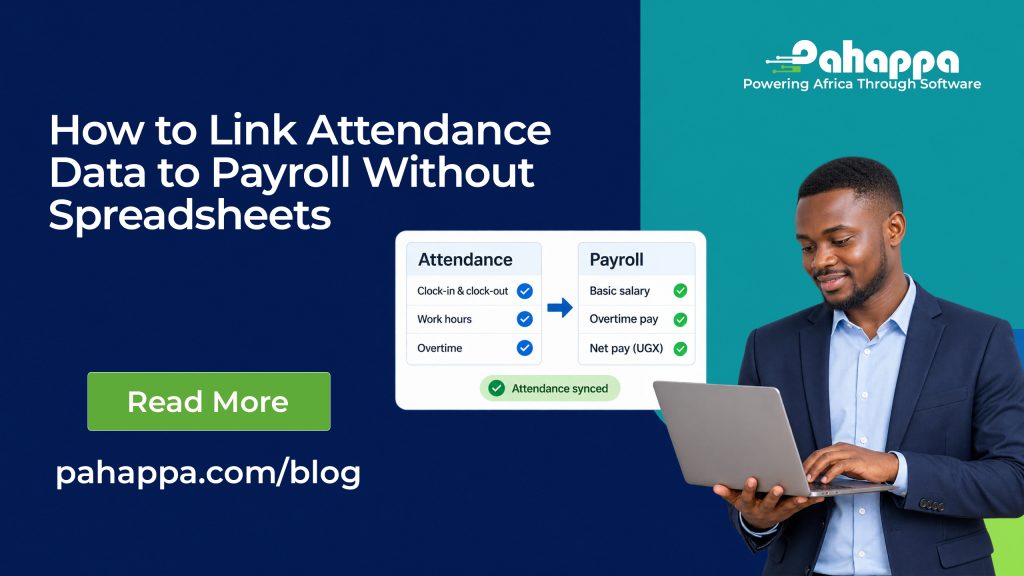
If pulse results show “unclear priorities,” this indicates a problem with goal alignment, not feelings. PahappaHR helps track performance through clear goals (SMART goals, KPIs) and appraisal workflows, making expectations clearer and feedback more consistent.
Attendance patterns indicate stress.
A drop in scores for “workload is manageable” can lead to attendance issues. PahappaHR includes attendance management, which features time tracking and biometrics integrations to reduce disputes and improve visibility of the workforce.
Leave management promotes fairness and well-being.
When employees feel burned out, they need time off to recover. Strong leave processes ensure fairness and help with planning. PahappaHR automates leave requests and approvals, reducing confusion and administrative delays.
Payroll accuracy builds trust.
Mistakes in payroll can quickly damage engagement. PahappaHR provides workflows for payroll generation and handles statutory deductions such as PAYE and NSSF, which are critical for compliance and employee confidence.
Staff data management supports clear decisions.
Addressing issues from pulse surveys often involves role clarity, manager capability, and team structure, none of which work well if employee records are disorganised. PahappaHR offers a central employee database, access controls, and audit logs to ensure data accuracy and governance.
Competitive landscape in Africa: where PahappaHR fits
Africa’s HR software market is growing. Many tools provide basic HR functions, but they stand out based on local payroll compliance, performance frameworks, time tracking features, support quality, and pricing options. To understand this better, think about the following:
Global suites (broad features, mixed localisation)
Tools like Zoho People offer broad HR capabilities and transparent pricing tiers, but localisation and support experiences can vary by region and plan.
Pan-African payroll/EOR platforms
Some providers focus on multi-country payroll and compliance in various African markets. These providers are helpful when you need support for cross-border employment. However, they may not emphasise strong local performance frameworks or in-country support as much.
Africa-focused HRMS vendors
Several Africa-focused HRMS tools highlight automation and efficiency (payroll, leave, HR data management) as core value.
Where PahappaHR differentiates
PahappaHR offers a unique HR management solution that stands out from other HR software. It provides features that suit local needs, including African-specific payroll, performance tracking, and biometric time tracking. They also offer free customer support and a flexible pricing model with multiple tiers rather than per-user fixed costs.
FAQs
What is a pulse survey in HR?
A pulse survey is a short set of questions sent to employees regularly to check how they feel and get ongoing feedback.
How often should pulse surveys be run in Q1?
Most organisations benefit from running pulse surveys monthly in Q1. Weekly surveys can work in fast-changing environments, but only if you can act quickly and share any changes.
Do pulse surveys replace annual engagement surveys?
Not usually. Pulse surveys usually work alongside annual surveys by spotting problems early, so you can address them before they grow.
What’s the best number of questions for a pulse survey?
Aim for 5–10 questions plus one open-ended question. Shorter surveys tend to get better participation than long annual surveys.
How do you prove pulse surveys are improving engagement?
Track trends over time and link them to outcomes like risk of losing employees, patterns of absenteeism, performance progress, and employee relations issues. Timely pulse data helps you respond faster.
Conclusion
If the first quarter sets the tone for the year, pulse surveys are an important tool for early feedback. They help leaders listen in real time, focus on what matters most, and build trust by making improvements.
When pulse survey insights need solid support like accurate payroll, fair leave, reliable attendance, consistent performance management, and clean staff data, HR automation plays a key role. It turns “we heard you” into “we fixed it.” That’s what PahappaHR is designed for.
If you want to simplify HR operations and allow your team to focus on engaging their work, book a free PahappaHR demo today!