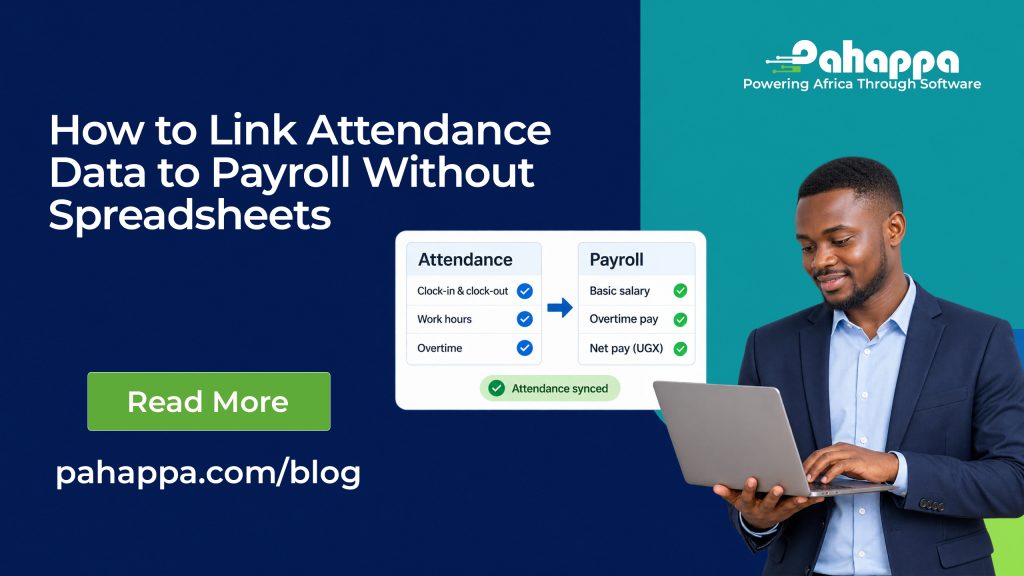
Many organisations still provide performance feedback too late, often during annual reviews, after issues arise, or when employees are considering leaving. This outdated approach doesn’t work for growing teams. To foster improvement and engagement, feedback must be a daily practice rather than a singular event. Building a culture of ongoing performance feedback is crucial for organisations with 10 or more employees, especially where rapid HR processes and development are vital. A strong feedback culture enhances individual performance, builds trust, supports managers, improves decision-making, and keeps teams aligned. With the right HR systems, it also connects feedback to attendance, leave, payroll, and broader workforce planning. PahappaHR offers a platform that integrates performance management, leave management, attendance tracking, payroll, and staff data to support this connected HR environment. This article explores how leaders can build that culture in a practical, sustainable way.
Why Ongoing Feedback Matters More Than Annual Reviews
Annual reviews are important, but they are insufficient on their own. A yearly conversation often misses timely feedback on performance, recognition, and coaching.
Ongoing feedback addresses this by making performance discussions timely and specific, allowing managers to coach employees continuously. This approach helps clarify expectations, correct minor issues before they escalate, and recognise good work promptly.
Additionally, regular communication supports employee well-being and engagement. PahappaHR reduces friction and enhances transparency through integrated HR automation, thereby improving workplace productivity.
What a Real Feedback Culture Looks Like
A real feedback culture is based on clarity, trust, and consistency rather than criticism. In strong feedback cultures, managers proactively communicate, employees understand success criteria, feedback is reciprocal, and recognition is as frequent as correction. Performance discussions are linked to clear goals, and records are consistently maintained.
Centralised HR data plays a crucial role in sustaining culture, enabling informed decision-making. PahappaHR integrates employee data, payroll, leave, attendance, and performance tools, streamlining this process.
The Biggest Barriers to Ongoing Performance Feedback
Before building a stronger culture, it helps to understand what gets in the way.
Managers fear difficult conversations.
Many managers avoid feedback because they do not want conflict. They worry about saying the wrong thing or hurting morale.
Feedback is treated as punishment.
In some workplaces, feedback only appears when something goes wrong. That makes employees defensive.
There is no shared structure.
Without a process, one manager gives feedback weekly while another stays silent for months.
HR processes are too manual.
When HR teams are buried in spreadsheets, approvals, and administrative follow-ups, performance development can slide down the priority list.
Data is scattered
A manager needs to understand attendance, goals, leave, workload, and past performance discussions. If this information is hard to access, feedback conversations weaken.
PahappaHR enhances HR efficiency through automation and centralised records, enabling teams to focus on strategic management rather than routine admin.
How To Build a Culture of Ongoing Performance Feedback
Start with leadership behaviour.
Culture follows example. If leaders only discuss performance during appraisals, managers will mimic that behaviour. However, if leaders actively model regular coaching, recognition, and accountability, feedback becomes an integral part of the organisation.
Leaders should:
- Seek feedback themselves
- Give public praise and private corrections
- Hold regular check-ins
- Incorporate performance conversations into everyday management
When feedback is seen as a tool for growth rather than blame, the organisation becomes more comfortable with the process.
Define what “good performance” means
Employees respond better to feedback when expectations are clear. Establishing clear performance standards ensures feedback is fair and actionable, allowing managers to coach based on defined goals rather than personal opinions. A performance management system, like PahappaHR, aids this by providing structured tools for tracking goals and progress, along with staff data and attendance, offering managers valuable context for discussions.
Replace annual-only reviews with regular check-ins.
A strong culture of ongoing feedback thrives on consistency, not lengthy meetings. Simple check-ins can include:
- Weekly one-on-ones
- Monthly performance conversations
- Project-based debriefs
- Quick recognition after wins
These brief interactions reduce pressure, enabling continuous improvement without overwhelming employees or managers.
Train managers to give useful feedback
Not every manager knows how to coach effectively. Some are vague, harsh, or avoid feedback altogether. Teach managers to give feedback that is:
- Timely
- Specific
- Respectful
- Linked to behaviour and outcomes
- Balanced with encouragement
For example, instead of saying, “You need to be more responsible,” a manager could say, “The report was two days late, affecting planning. Next time, let’s agree on a checkpoint before the deadline.” This kind of feedback is clearer and easier to act on.
Make feedback two-way
A culture of ongoing feedback involves more than just leaders speaking; employees should feel empowered to ask questions, share obstacles, explain workload pressures, raise process issues, and suggest improvements. Performance issues often stem from unclear priorities, resource gaps, or delays, rather than a lack of motivation. Connected HR tools enable organisations to identify and address these patterns effectively. PahappaHR’s integrated model links key HR functions into a single system.
Recognise good performance so often.
Many organisations mistakenly equate feedback with correction. Recognition is a quick way to reinforce positive behaviours, as people are likely to repeat what they are associated with. It doesn’t have to be expensive; simple gestures like a message of appreciation, a team shout-out, or a note in a check-in can suffice. Positive feedback builds confidence and trust, making it easier for people to accept constructive feedback later.
Document patterns, not just incidents
A single moment rarely tells the full story, which is why good performance management focuses on patterns over time. HR systems assist by providing documented check-ins, performance notes, attendance patterns, and leave history, offering a more balanced view during performance discussions. For instance, if a worker’s output decreases, attendance issues or workload strain may be contributing factors, leading to better decisions than memory alone. PahappaHR emphasises centralised employee data and automated HR workflows to enhance accuracy, efficiency, and decision-making.
Connect feedback to development.
Feedback should not just say “do better.” It should guide improvement through options such as coaching, training, clearer goals, workload adjustments, better tools, or mentoring. When employees see feedback as a path to growth rather than punishment, they respond more positively, creating a supportive environment.
Use the right HR technology to sustain the culture.
Culture is human, but systems matter. As organisations grow, manual HR processes can slow operations, leading to inconsistencies and reduced employee confidence.
PahappaHR offers an all-in-one HR software solution that automates payroll, leave approvals, attendance tracking, and performance management. It supports scalability and affordability for African organisations through subscription pricing and responsive customer support.
A strong feedback culture thrives when:
- Employee records are centralised
- performance tracking is consistent
- The attendance data is transparent
- Leave information is accurate
- Payroll organisations are clear
- HR teams can focus on people, not paperwork
How PahappaHR Supports a Stronger Feedback Culture
Thought leadership should provide solutions, not just highlight problems. For organisations in Africa evaluating HR software, PahappaHR’s ability to bring core HR functions together into a single platform is a key advantage. It integrates payroll, leave, attendance, performance, and staff data management, emphasising automation, efficiency, affordability, and customer support. This combination effectively fosters a culture of feedback.
Performance management
Managers can move beyond annual appraisals and support ongoing discussions with clearer records and follow-up.
Attendance management
Attendance trends provide useful context for coaching, workload planning, and early intervention.
Leave management
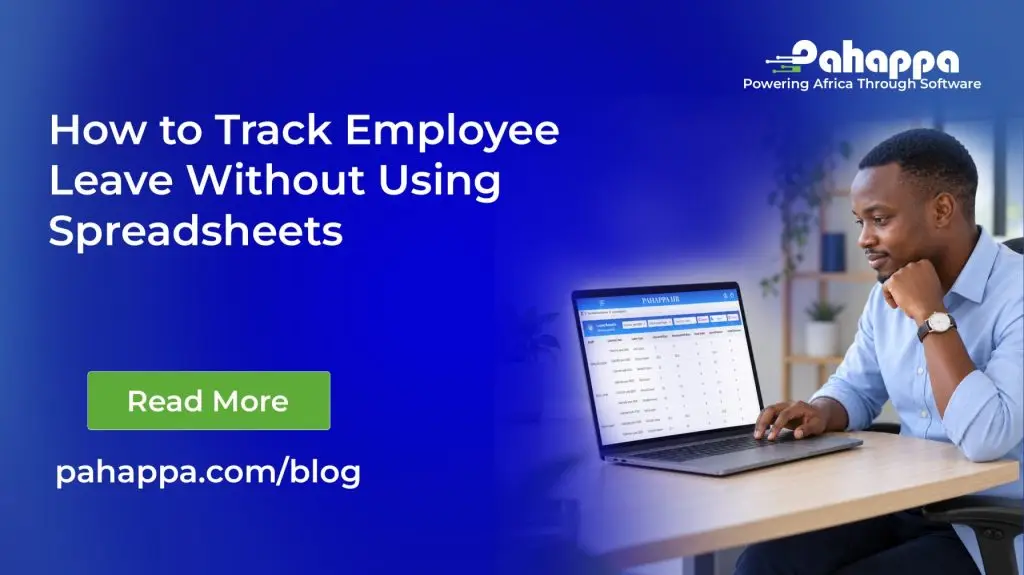
PahappaHR offers transparent leave tracking, enabling fair planning and clear understanding of employee availability. It features custom leave policies, self-service access, and payroll-linked leave management.
Staff data management
Centralised employee data improves consistency and gives leaders a more reliable view of the workforce.
Payroll management
Integrating payroll processes minimises errors and builds trust, particularly when attendance and leave data influence pay. For organisations with 10 or more employees, this integration can transform HR from a reactive admin role into a strategic driver of performance and employee well-being.
Frequently Asked Questions
What is ongoing performance feedback?
Ongoing performance feedback is the regular practice of providing timely and specific guidance and recognition to employees throughout the year, rather than just during annual reviews.
Why is ongoing feedback important in the workplace?
It helps employees improve faster, reduces surprises during formal reviews, strengthens trust, and allows managers to address problems before they grow.
How often should managers give performance feedback?
There is no single rule, but regular one-on-ones, monthly check-ins, and immediate feedback after major tasks or behaviours usually work well.
What is the difference between feedback and performance appraisal?
Feedback is continuous and often informal. Performance appraisal is usually a formal review conducted at set intervals. Strong organisations use both.
How can HR software improve feedback culture?
HR software centralises performance records, staff data, and leave information, making performance conversations more accurate and easier to track.
Conclusion
Building a culture of ongoing performance feedback isn’t about more meetings; it’s about creating a workplace where employees understand what matters, managers lead with clarity, and improvements are made in real time. For growing organisations, this culture enhances accountability, strengthens employee experience, and supports better business decisions.
PahappaHR supports this by integrating performance management with payroll, leave, attendance, and staff data management into one solution, shifting from fragmented HR tasks to a connected, people-first approach. Book a free PahappaHR demo today!