Growth is thrilling, indicating your business is thriving with new customers and revenue. However, it often reveals weaknesses in processes, particularly in payroll.
Initially manageable with spreadsheets and manual calculations, payroll becomes complex as your workforce expands. You face various salary structures, leave requests, attendance, statutory deductions, and compliance requirements.
At this stage, the key question shifts from whether to use payroll management software to how to select the right one. The best payroll software does more than process payments; it fosters trust, enhances efficiency, ensures compliance, and supports your growth foundation.
Why Payroll Software Has Become a Strategic Business Tool
Many business leaders still see payroll as just a background task. They think it happens while they focus on growing the company.
But payroll is actually very important. It connects finance, operations, compliance, and employee experience.
Every salary payment conveys a message about your organisation. When payroll is accurate and on time, it builds trust. Even small mistakes can quickly damage confidence.
From an employee’s perspective, they might overlook a delayed meeting or a postponed project deadline. However, they are much less likely to forgive an incorrect salary payment.
This is because payroll is personal. It affects rent, school fees, savings, and family obligations. When payroll fails, the problems extend beyond the HR department.
That’s why more organisations are investing in payroll solutions. These solutions automate routine tasks, improve data accuracy, and help manage the workforce better.
Start by Looking Beyond Payroll
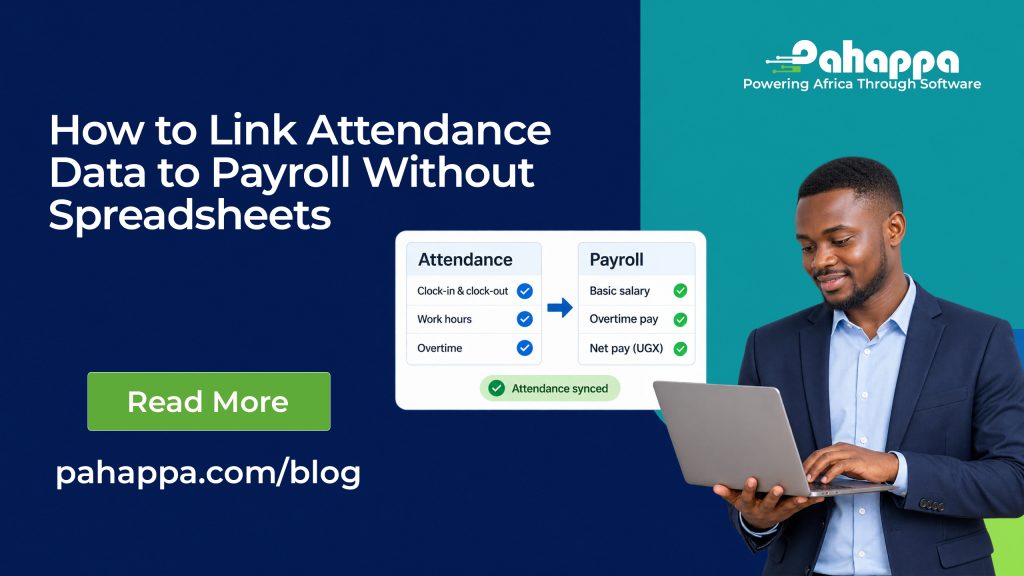
One major mistake growing companies make is choosing payroll software that only handles payroll. At first, this may seem logical, but payroll doesn’t function in isolation. It relies on various HR processes such as leave balances affecting salary calculations, and attendance records influencing overtime payments. Using separate systems requires HR teams to spend time transferring data, leading to delays and errors. The best payroll solutions integrate with HR functions like leave management, attendance tracking, and performance management. This approach minimises administrative workload and creates a single source of truth for employee data.
Consider the Employee Experience
When evaluating payroll software, businesses typically prioritise features, reports, and compliance. However, employee experience is equally crucial. Today’s workforce seeks convenience; employees want easy access to payslips, visibility into leave balances, and the ability to update personal information without unnecessary delays.
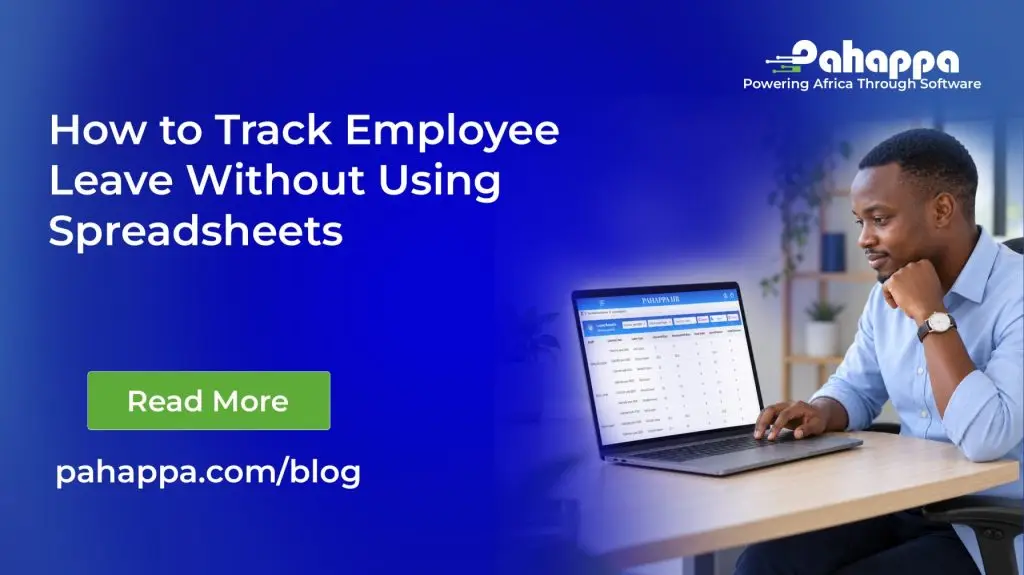
Consider an employee, David, who needs to apply for annual leave and check his payslip. In a manual setup, he would contact HR and wait for a response, possibly needing to follow up multiple times. In contrast, with a self-service portal, David can submit his leave request, view his leave balance, download his payslip, and update his contact info in minutes.
These improvements may seem minor, but they significantly affect employee perception of the organisation. Companies that emphasise employee experience often find that HR technology enhances engagement, transparency, and trust.
Don’t Underestimate the Importance of Compliance
Growth brings opportunities but also increases risks.
As employee numbers rise, managing compliance becomes more difficult. Payroll teams must handle tax deductions, employee records, and labour laws accurately. Even a small mistake can lead to financial and legal problems.
Good payroll software helps reduce these risks by automating calculations and maintaining accurate records.
Compliance is not just about avoiding fines; it’s about building trust. Leaders need to trust the payroll data, HR teams need to trust the calculations, and employees need to trust that they are paid fairly. A compliant payroll system fosters that trust throughout the organisation.
Look for Software That Grows With Your Business
Growth is rarely linear. You might have 15 employees one year, 50 the next, and soon manage multiple departments or locations. This is why scalability is crucial.
The software you choose should serve your business as it grows. Many organisations find out too late that their payroll system has limitations that hinder management as complexity increases.
A scalable payroll solution adapts to your evolving workforce, accommodating new employees and changing needs without requiring a complete overhaul.
When evaluating software, ask: Will this solution support us if we double in size? If unsure, it may not be the right long-term choice.
Prioritise Visibility and Better Decision-Making
One overlooked benefit of payroll management software is visibility. Business leaders need insights beyond payroll processing to understand workforce costs, identify trends, and monitor attendance. Scattered HR data makes this difficult, but an integrated HR and payroll platform provides real-time information. This allows managers to focus on analysing data rather than gathering it, transforming HR technology from mere administration into a driver of business performance.
Why More Growing Organisations Are Choosing Integrated HR Platforms
Across Africa, businesses are increasingly seeking integrated solutions that combine payroll with broader HR management. Recognising the interconnectedness of workforce management, where payroll influences employee satisfaction, and attendance affects accuracy, organisations are finding that managing these functions separately adds complexity. Platforms like PahappaHR are gaining traction by unifying payroll, leave, attendance, performance, and staff data management into a single system. This integration not only streamlines HR operations but also enhances decision-making and efficiency, delivering significant time savings for organisations with ten or more employees.
The Future of Payroll Is About More Than Paying People
The role of payroll is evolving beyond mere salary distribution. It now serves as a strategic function that impacts employee experience, operational efficiency, compliance, and business growth. Companies that succeed will be those that embrace this change and invest in supportive systems. Selecting payroll management software should focus not just on current challenges but also on future opportunities.
FAQs
When should a company start using payroll software?
A company should consider payroll software once it has 10 or more employees, especially when manual payroll starts causing delays, errors, or compliance risks.
Does payroll software improve compliance?
Yes. Good payroll software helps calculate statutory deductions, keep records, track approvals, and reduce errors.
Can payroll software improve employee trust?
Yes. When salaries, payslips, leave balances, and approvals are handled accurately, employees feel more confident in the company’s HR processes.
Is affordability important when choosing HR software?
Absolutely. Growing companies need software that is powerful enough to scale but affordable enough to support sustainable growth.
Final thoughts
As your company grows, the systems you rely on become crucial. Payroll management software should do more than automate calculations; it should enhance HR operations, ensure data accuracy, support compliance, and foster a supportive workplace for employees.
When evaluating options, consider how the solution integrates with attendance, leave, performance, and staff management. Ensure it can scale with your business and empower both HR teams and employees.
Ultimately, effective payroll management goes beyond just paying people correctly; it’s about creating an organisation where everyone can thrive, leading to sustainable and successful growth. Book a free PahappaHR demo today to get started!