In growing organisations, relying on spreadsheets, paper forms, and scattered emails becomes ineffective. While initially manageable, staff goals, appraisals, and attendance can lead to decision-making based on incomplete information. This is where modern performance management software evolves into a vital growth partner.
For organisations with 10 or more employees, performance management should be a continuous, transparent, and data-driven process, not just an annual task. It helps employees understand success, supports better coaching, and enables smarter leadership decisions.
PahappaHR addresses this need by integrating performance management, payroll, leave, attendance, and staff data management into one smart HR platform. This allows HR teams to focus on people rather than administration.
The Evolution of Performance Management
Performance management has evolved from annual appraisals to a more continuous process. In the past, employees often received delayed feedback, making evaluations subjective. Today, employees prefer ongoing coaching, while managers seek tools for real-time performance guidance. Modern performance management software facilitates a continuous cycle of goal setting, feedback, and development, emphasising employee success rather than just evaluation.
Why Traditional Performance Reviews Often Fall Short
Traditional performance reviews often fall short due to inefficiencies. HR managers face time-consuming processes, with managers exchanging emails and employees filling out forms. Feedback is frequently delayed, making it hard to track progress and trends within the organisation. This leads to a system that feels more administrative than developmental. Modern performance management software introduces structure, transparency, and automation, allowing organisations to focus on enhancing employee performance.
Goal Alignment for Business Success
Modern performance management software plays a crucial role in aligning employee goals with organisational objectives. When employees understand how their work contributes to broader company goals, they perform better. For example, a customer service representative may handle many inquiries daily but may not see their impact on customer retention or business growth.
This software connects individual goals to departmental and organisational targets, fostering clarity, accountability, and purpose. Employees better understand expectations, managers can track progress effectively, and leaders can monitor how business goals are met across the organisation.
Flexible Performance Frameworks for Organisations
Organisations manage performance differently, with some using Management by Objectives (MBO) for clear outcomes, others opting for Objectives and Key Results (OKRs) for ambitious goal-setting, and many employing Balanced Scorecards for a holistic view.
The challenge comes when software enforces a rigid framework that doesn’t align with an organisation’s culture. Modern performance management solutions should offer flexibility, allowing organisations to choose the framework that best supports their goals while ensuring consistency across teams. This flexibility is crucial as businesses grow and departments develop unique performance needs.
Continuous Feedback Creates Better Outcomes
Performance shouldn’t be surprising. Traditional appraisal systems often delay feedback until annual reviews, missing opportunities for improvement. Modern performance management software promotes continuous feedback through regular conversations between managers and employees.
This approach helps employees understand their strengths and areas for development while allowing managers to recognise achievements and address challenges promptly. Regular feedback fosters a supportive environment, increases engagement, and builds trust in the performance management process.
Customisable Appraisals That Reflect Organisational Culture
Every organisation has unique performance expectations. For instance, a tech company values innovation, while a customer service firm prioritises communication. Modern performance management software should enable customised appraisal processes that align with these specific priorities. Features like customisable review forms and competency assessments help create relevant performance discussions focused on the skills and outcomes that truly matter to the business. This approach ensures that generic templates don’t constrain organisations, but rather enable them to adapt the software to their unique needs.
Performance Improvement and Employee Development Planning
Performance management should focus not just on identifying top performers but also on fostering employee growth. All employees, regardless of their capabilities, benefit from development opportunities, and those facing challenges need structured support. Modern performance management software allows for the creation of Performance Improvement Plans (PIPs) and Personal Development Plans (PDPs) that set clear expectations and timelines. These plans promote continuous learning and professional growth, leading to higher engagement, better retention, and improved overall performance within organisations.
Employee Self-Service Empowers the Workforce
Today’s employees expect timely access to information. Waiting for HR updates on goals and performance is frustrating. Modern performance management software should offer self-service tools to view goals, track progress, complete self-assessments, and access feedback independently. This transparency fosters ownership and accountability, making performance management a collaborative process instead of a top-down exercise.
Integration with Core HR Functions
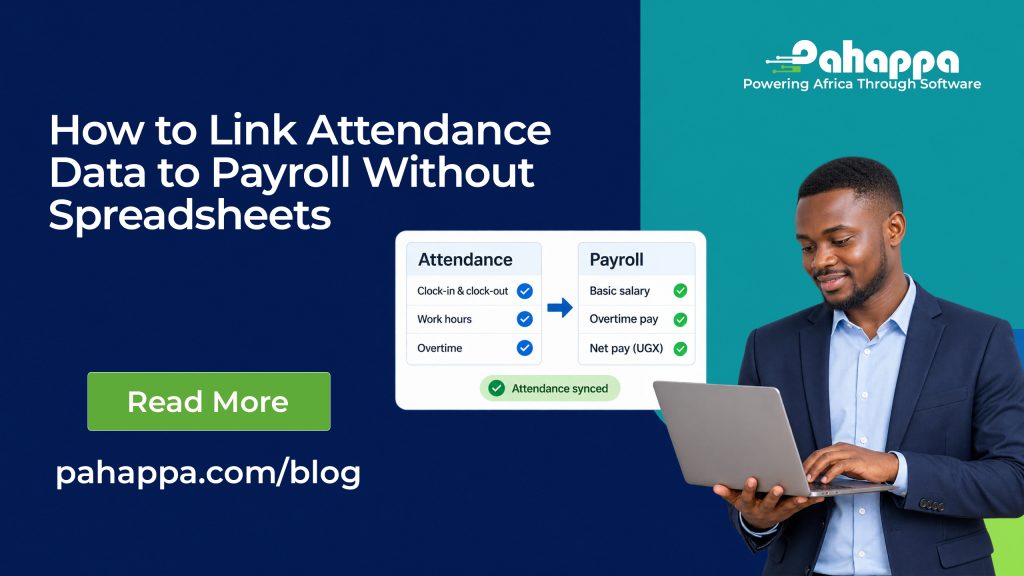
Performance management is interconnected with various HR functions such as attendance, leave utilisation, training, and payroll. Organisations face challenges when these processes are managed in separate systems. Modern HR platforms address this by integrating performance management with payroll, leave, attendance, and staff data management. This unified approach enhances data accuracy, streamlines administrative tasks, and provides a clearer view of employee performance. For instance, it allows leaders to see how attendance affects productivity and how training initiatives affect performance, thereby facilitating better decision-making across the organisation.
Data-Driven Insights for Strategic Decision-Making
Organisations generate vast amounts of workforce data daily, but the challenge lies in transforming it into actionable insights. Modern performance management software offers reporting and analytics that help leaders identify trends, high performers, skill gaps, and facilitate succession planning. With real-time information, decision-makers can optimise their workforce, which is especially crucial for growing organisations where talent decisions directly influence performance.
Automation That Reduces Administrative Burden
HR professionals are expected to contribute to organisational success, but often spend too much time on repetitive tasks. Modern performance management software automates activities like scheduling reviews, sending notifications, and tracking performance. This not only reduces manual effort and errors but also enables HR teams to focus on initiatives that add greater business value, such as employee engagement and leadership development.
How PahappaHR Helps Organizations Build High-Performing Teams
PahappaHR is a comprehensive HR and payroll management solution that streamlines HR operations by integrating payroll, leave, attendance, staff data, and performance management into one platform. This unified approach eliminates inefficiencies from using multiple tools.
With its performance management features, organisations can set clear goals, conduct meaningful appraisals, support employee development, and gain valuable insights. This allows managers to track progress effectively, enhances employee visibility into expectations, and aids leadership in making informed decisions.
Additionally, PahappaHR is subscription-based, scalable for growing organisations, and offers excellent customer support. Overall, it fosters an environment where employees feel supported, managers feel empowered, and leaders feel confident in their decision-making.
Conclusion
Effective organisations recognise that performance management goes beyond employee evaluation; it’s about fostering a success-oriented environment. Modern performance management software aligns goals, delivers meaningful feedback, supports employee growth, and enhances decision-making, turning a routine task into a strategic advantage. As organisations evolve, the demand for integrated, data-driven performance management solutions increases. For businesses aiming to improve efficiency and optimise workforce management, investing in the right software is essential for sustainable growth and long-term success. Book a free PahappaHR demo to get started!