Recruitment may seem straightforward—advertise a job, review applications, interview candidates, and hire. However, HR professionals know it involves much more. As organisations grow, they face more applications, coordination challenges, and scattered candidate information, which increases administrative work. Applicant tracking software addresses these issues by providing a structured system to manage candidates, track hiring progress, and keep recruitment data organised. For organisations with ten or more employees, especially those growing rapidly, this software can make recruitment more efficient and strategic.
What Is Applicant Tracking Software?
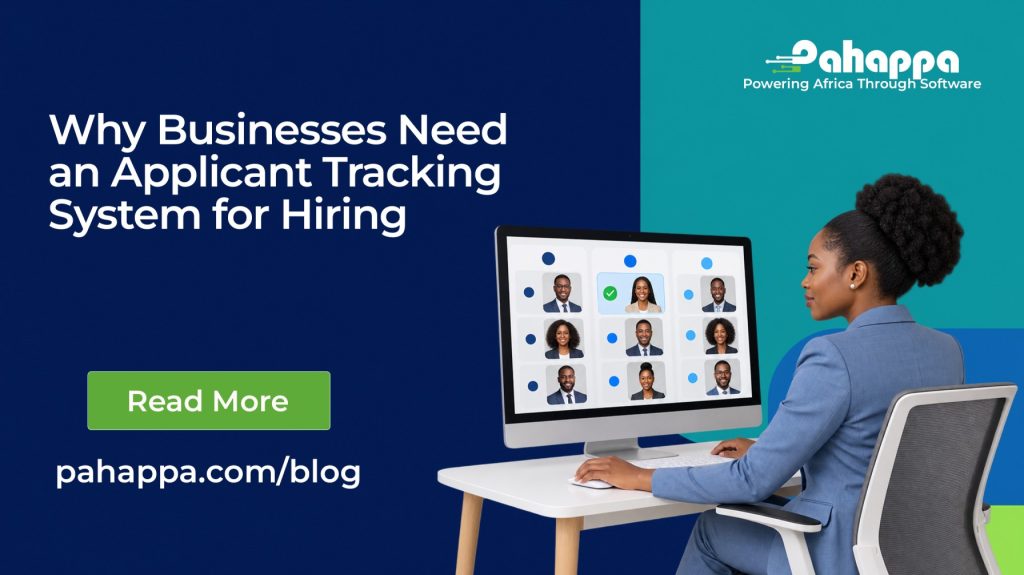
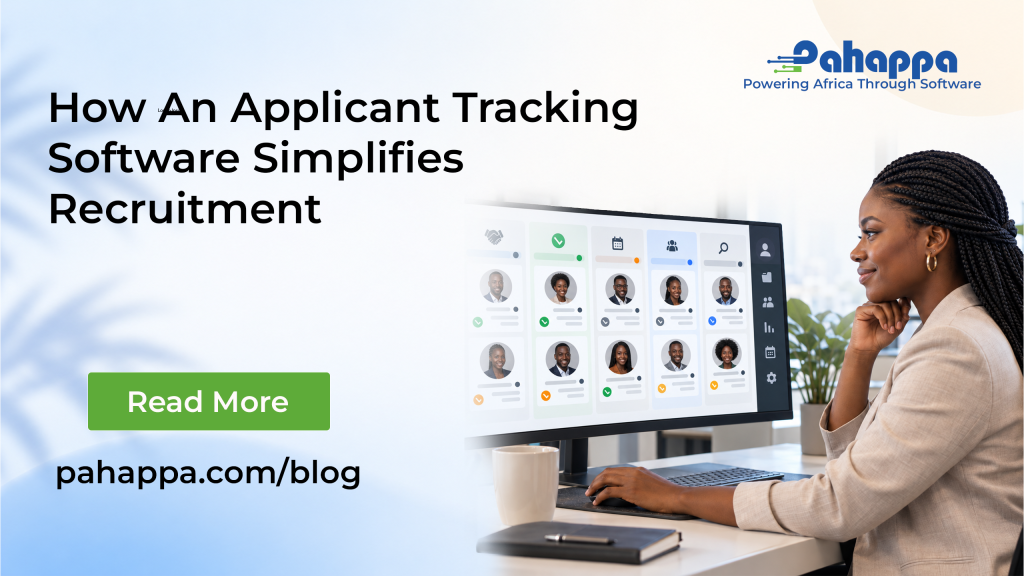
Applicant tracking software is a digital system that helps organisations manage candidates throughout the recruitment process.
It helps HR teams organise candidate information, follow applicants through different hiring stages, coordinate recruitment activities, and maintain clearer records.
Put simply, it gives businesses a more organised way to recruit without relying heavily on paperwork and disconnected tools.
Why Manual Recruitment Becomes Difficult
Imagine an HR manager handling several vacancies at once.
Applications are arriving through email. CVs are stored in different folders. Interview feedback is shared through calls, messages, or spreadsheets. Managers keep asking for candidate updates.
Before long, the process becomes difficult to manage.
A strong candidate may be overlooked. Feedback may be difficult to trace. Candidate information may be entered incorrectly. HR may spend hours on routine administration that could have been handled more efficiently.
As the organisation grows, these small problems become bigger operational challenges.
Recruitment should help a business move forward, not slow its HR team down.
How Applicant Tracking Software Simplifies Recruitment
One of the biggest advantages of applicant tracking software is organisation.
Instead of searching through emails and documents, HR teams can manage recruitment information more systematically.
This can make it easier to:
- Keep candidate information in one place.
- Track applicants through different hiring stages.
- Reduce repetitive administrative work.
- Improve collaboration between HR and hiring managers.
- Maintain more accurate recruitment records.
- Make faster, better-informed hiring decisions.
The result is a recruitment process that is easier to manage for HR teams and the wider organisation.
Better Recruitment Leads to Better Workforce Decisions
Recruitment is not simply about filling vacancies.
Every hiring decision can affect productivity, payroll, attendance, employee development, team performance, and long-term business growth.
That is why recruitment should not operate separately from other HR processes.
When hiring information connects naturally with broader employee management, organisations gain a clearer view of their workforce from the moment a candidate becomes an employee.
This is where an integrated HR management solution such as PahappaHR becomes valuable.
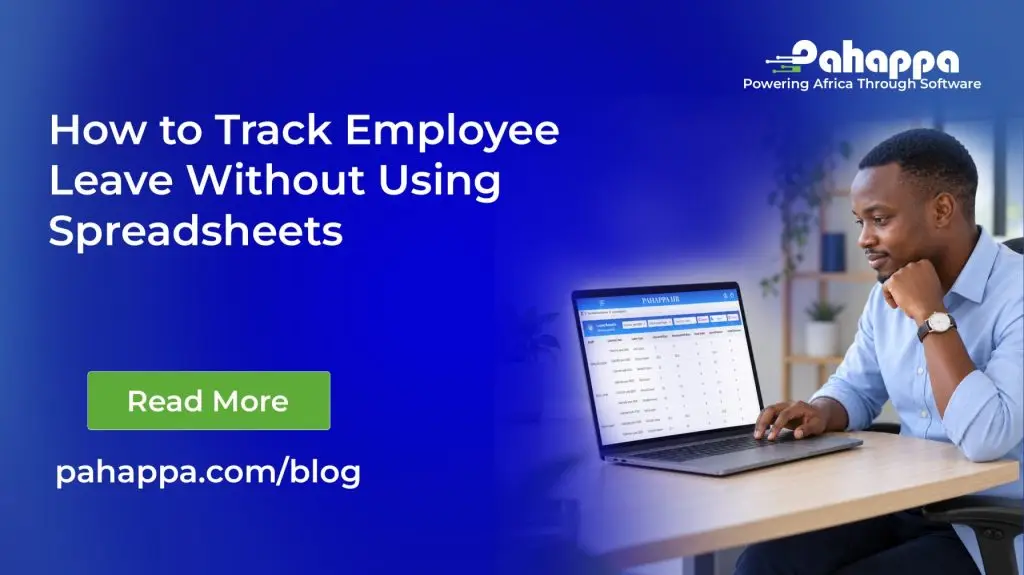
PahappaHR supports essential HR processes including payroll management, leave management, attendance management, performance management, and staff data management.
Instead of managing each HR function independently, businesses can create a more structured approach to workforce management.
From Candidate to Employee
Consider what happens after a successful candidate accepts an offer.
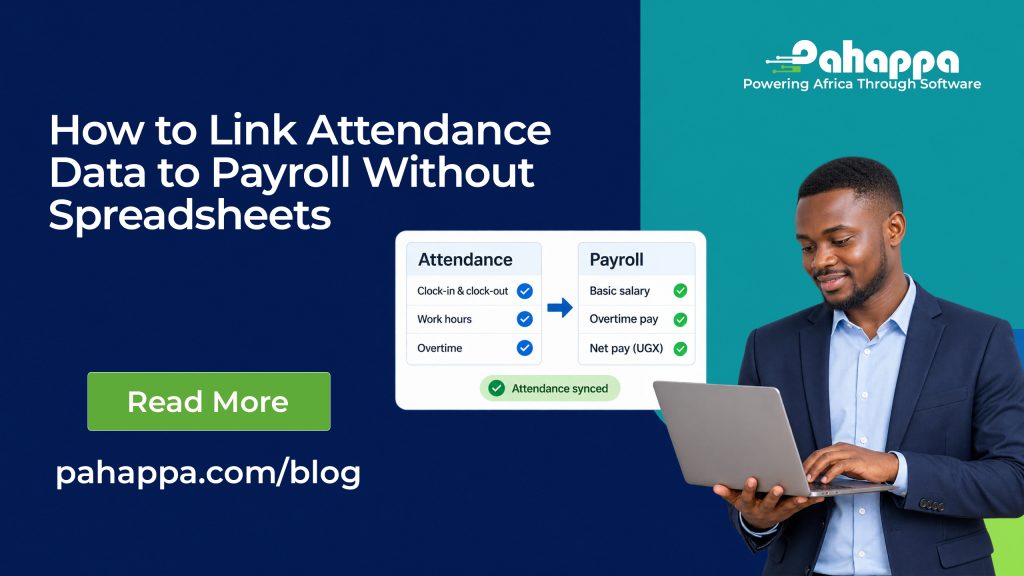
That person eventually needs to be added to staff records, payroll, attendance systems, leave management, and performance management processes.
If HR teams handle each step manually, they may enter the same information several times.
That creates extra work and increases the risk of mistakes.
A more streamlined HR system reduces repetitive administration and keeps employee information accurate throughout the employee lifecycle.
For HR teams, that means less time spent on routine tasks.
For management, it means better information for decision-making.
And for employees, it can create a smoother experience from recruitment onward.
Why Growing African Businesses Need Smarter HR Processes
As businesses across Africa grow, HR operations become more complex.
A small company may manage recruitment and staff records manually. But as the workforce expands, HR processes need to become more structured, accurate, and efficient.
The goal is not simply to replace paperwork with software.
It is to build HR processes that support efficiency, improve data accuracy, strengthen workforce management, support labour compliance, and give HR professionals more time to focus on strategic work.
PahappaHR supports growing organisations through a subscription-based model and provides customer support to help businesses manage HR operations more effectively.
That combination matters because organisations need more than software. They need a system that can support their day-to-day HR realities as they grow.
What Should You Look for in Applicant Tracking and HR Software?
The right solution should do more than organise candidate information.
Businesses should consider whether the software is easy to use, affordable, scalable, and able to support other essential HR processes.
It should also help reduce manual work, improve data accuracy, and give managers access to useful workforce information.
For growing organisations, integration is especially important.
Recruitment is only the beginning of the employee journey. Strong HR systems should continue supporting the employee after hiring through payroll, attendance, leave, performance, and staff data management.
Frequently Asked Questions
What is applicant tracking software?
Applicant tracking software helps organisations manage candidates, streamline recruitment stages, and reduce administrative tasks.
Why do growing businesses need applicant tracking software?
As recruitment activity rises, manual processes can be hard to manage. Applicant tracking software helps organisations improve efficiency, keep accurate records, and handle more candidates without added administrative pressure.
Can applicant tracking software improve hiring decisions?
A more organised recruitment process helps HR teams and managers access candidate information, compare applicants, and make informed decisions.
How does PahappaHR support employees after recruitment?
PahappaHR streamlines key HR processes like payroll, leave, attendance, performance, and staff data management, helping organisations manage employees beyond hiring.
Conclusion
Recruitment should help your organisation grow, not bury your HR team in paperwork, spreadsheets, and repetitive administrative work.
With a more structured approach to recruitment and workforce management, businesses can improve efficiency, maintain better employee data, automate routine HR tasks, and give HR teams more time to focus on strategic priorities.
PahappaHR helps growing organisations manage key HR functions more efficiently, supporting businesses that need faster, more reliable HR processes as their teams expand.
Ready to simplify recruitment and improve your HR operations? Book a free demo of PahappaHR today and discover how the platform can support your organisation’s workforce management needs.