Hiring often looks simple from the outside: advertise a vacancy, receive applications, interview promising candidates, and select the right person. But anyone who has managed recruitment knows there’s much more happening behind the scenes.
Imagine your company advertises three new positions. Within days, applications begin pouring in. Some CVs arrive by email, others are forwarded to different managers, interview notes sit in separate documents, and HR has to keep updating a spreadsheet to know who is at which stage.
Before long, hiring becomes a job of managing information rather than finding great people.
For growing businesses, an Applicant Tracking System (ATS) can make a significant difference. By bringing candidate information and recruitment activities into one organised system, an ATS helps HR teams spend less time chasing information and more time making better hiring decisions.
What Is an Applicant Tracking System?
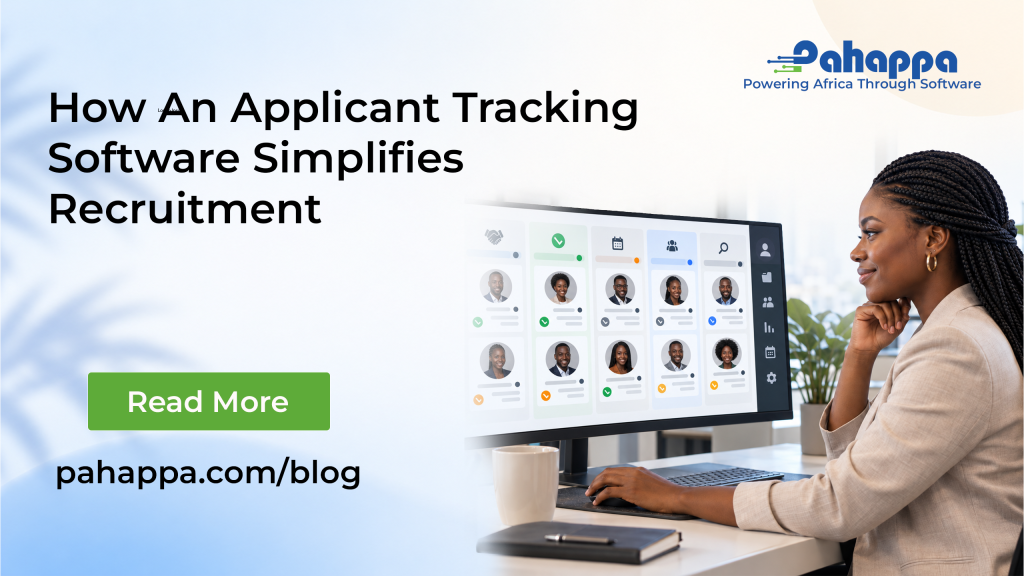
An Applicant Tracking System is software that helps businesses organise and manage candidates throughout recruitment.
Instead of storing CVs, candidate details, interview information, and hiring updates across disconnected tools, an ATS provides a central place to manage recruitment.
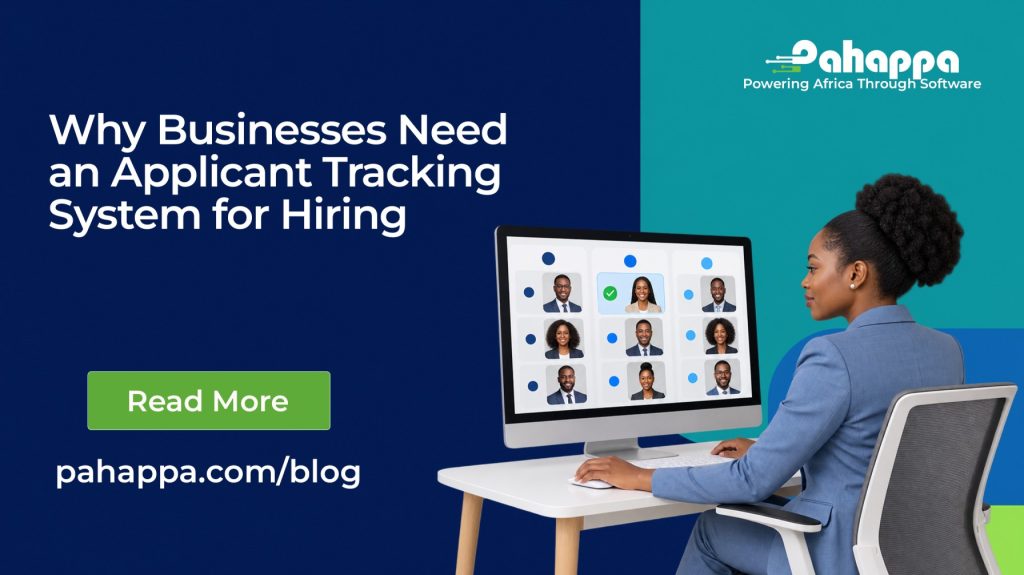
Think of it as a clear view of your hiring pipeline. HR teams and relevant decision-makers can follow applicants through different stages without constantly asking, “Where are we with this candidate?”
And as a company grows, that visibility becomes increasingly important.
Why Do Growing Businesses Need an Applicant Tracking System?
When a business has only a handful of employees, managing recruitment manually might seem manageable. But what happens when the company expands, and several departments need new people at the same time?
Spreadsheets get longer. Emails multiply. Follow-ups become harder to track.
More importantly, a slow or disorganised process can affect good candidates.
An applicant tracking system creates a more structured hiring workflow. Candidate information is easier to find, recruitment progress becomes more visible, and HR teams can reduce repetitive administrative work around hiring.
For organisations with 10 or more employees, particularly those planning to grow, having structured HR processes can prevent today’s small administrative challenges from becoming tomorrow’s operational headaches.
From a CV to a New Employee: A Better Hiring Journey
Picture an HR manager called Sarah whose company is recruiting for several roles.
Without an ATS, Sarah might receive dozens of CVs in her inbox. She then needs to organise applications, update spreadsheets, share information with managers, arrange interviews, collect feedback, and keep candidates informed.
Now imagine the process with recruitment and onboarding software.
Candidate information can be managed through a structured recruitment process, making it easier for Sarah and the hiring team to see where applicants stand. Instead of searching through email threads and different files, the team has better visibility of the information needed to move recruitment forward.
The benefit isn’t simply saving Sarah a few clicks.
A more organised process can help the company respond faster, collaborate better, and give candidates a more professional experience.
Hiring Should Be Part of the Bigger HR Picture
Recruitment doesn’t end when someone accepts an offer.
That person becomes an employee who needs onboarding, company records, management, support, and eventual evaluation.
That’s why businesses should think beyond standalone recruitment tools.
PahappaHR connects recruitment and onboarding with broader HR management. Businesses can manage important areas of the employee journey through HR functions such as staff data management, attendance management, leave management, performance management, and payroll management.
That creates continuity.
Rather than treating recruitment as an isolated activity, organisations can build HR processes that support employees from hiring through their time with the business.
How Can an ATS Improve Hiring Decisions?
An ATS doesn’t make the hiring decision for you, and it shouldn’t replace human judgment.
It can give decision-makers a more organised foundation for that judgment.
When candidate information and recruitment progress are easier to access, hiring teams can spend less time reconstructing what happened and more time evaluating who fits the role.
For management, structured HR information can also support better workforce planning and strategic decision-making as the organisation grows.
In other words, technology handles more of the administrative burden while people remain responsible for the decisions that matter.
Why Consider PahappaHR for Recruitment and HR Management?
African businesses don’t all operate with the same budgets, structures, or HR challenges. The right HR solution should make sense for the organisation using it.
PahappaHR offers a subscription-based HR management solution that helps organisations streamline HR operations and automate routine processes.
Alongside recruitment and onboarding, businesses can manage other essential HR activities within their wider employee management processes.
PahappaHR also emphasises customer support as an important consideration when introducing new software to a team. For growing organisations, affordability, support, and the ability to manage multiple HR functions can matter just as much as the technology itself.
Frequently Asked Questions
What is an applicant tracking system?
An applicant tracking system (ATS) is software that organises and manages job applicants during the recruitment process, keeping candidate information and hiring activities structured and accessible.
Why does a growing business need an ATS?
As hiring volumes grow, managing emails and spreadsheets becomes challenging. An ATS provides a more organised system for managing applicants, tracking progress, and collaborating on hiring.
Can an ATS improve the candidate experience?
A structured recruitment process can minimise delays and confusion, ensuring a consistent and professional experience for candidates.
Does an applicant tracking system replace recruiters?
An ATS helps recruiters organise information and streamline processes. Still, human judgment is crucial for evaluating candidates and making hiring decisions.
Conclusion
Great people ultimately build great businesses. But finding those people gets harder when HR teams are buried in spreadsheets, emails, and repetitive admin.
An applicant tracking system for hiring gives businesses a more organised way to move candidates through recruitment while giving HR teams greater visibility into the process.
And when recruitment connects naturally with the rest of HR management, the benefits can continue long after a candidate becomes an employee.
For organisations ready to move away from scattered recruitment processes, PahappaHR offers a practical way to bring greater structure to hiring while supporting the wider employee journey. Book a free PahappaHR demo today!