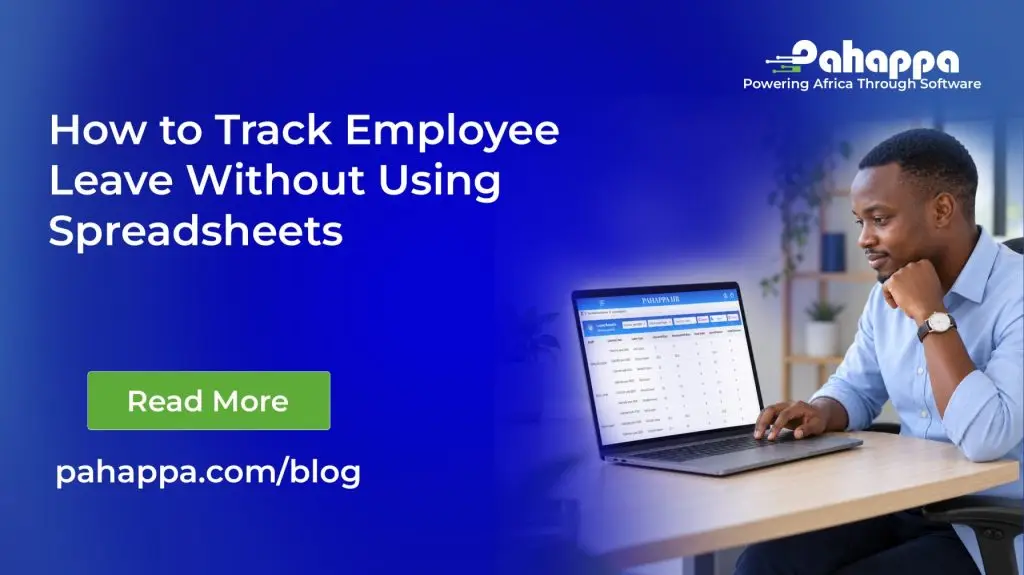
For many organisations, leave tracking starts with a spreadsheet.
At first, it feels simple enough. One column for employee names, another for leave days taken, another for remaining balances. But as the team grows, that simple sheet can quickly turn into a maze of updates, formulas, approvals, and corrections.
That is usually when HR teams begin asking a bigger question: Is there a better way to track employee leave?
The answer is yes.
Instead of relying on spreadsheets, growing organisations can use automated leave management software to manage requests, balances, approvals, and employee records more efficiently.
Why Spreadsheets Become Difficult as Teams Grow
Spreadsheets are flexible, but they depend heavily on manual input.
That creates risk.
An employee may take leave, but the sheet is not updated. A manager may approve time off by email, but HR never sees it. Someone may accidentally overwrite a formula. Two employees may request leave at the same time, but no one notices until both are already away.
For a team of five, those problems may be manageable.
For an organisation with 20, 50, or 100 employees, they can quickly affect productivity and workforce planning.
The more people you manage, the more important it becomes to have a leave process that is consistent, visible, and easy to track.
What Is the Best Way to Track Employee Leave?
The most effective approach is to use a centralised leave management system.
Instead of updating spreadsheets manually, employees can submit leave requests through a structured process. At the same time, HR and managers can review, approve, and monitor those requests from one place.
This creates a clearer workflow.
Employees know how to request leave. Managers know what needs approval. HR can see leave information without chasing emails or checking multiple files.
That simple shift can save a surprising amount of time.
1. Automate Leave Requests and Approvals
One of the biggest problems with spreadsheet-based leave tracking is that spreadsheets do not manage workflows.
They store information, but they do not guide the process.
With automated leave management, employees can submit requests directly through the system. Managers can review them, and the system can record approved leave without relying on endless email threads or WhatsApp messages.
That makes the process easier to follow and reduces the chance of requests getting lost.
2. Keep Leave Balances More Accurate
Leave balances are another common source of frustration.
When calculations are done manually, one missed update can affect an employee’s remaining days.
Automated systems help HR teams keep leave records accurate by keeping employee information in one place.
That means fewer disputes, fewer corrections, and less time spent checking old spreadsheets.
3. Get Better Visibility Before Approving Leave
Imagine approving leave for one employee, only to realise later that two other team members from the same department are already away.
That is not just a leave problem. It is a workforce planning problem.
A structured leave management system gives managers better visibility into who is available and who is away before approving requests.
This helps organisations avoid unnecessary staffing gaps and make more informed decisions.
4. Connect Leave With Attendance and Payroll
Leave does not exist in isolation.
It can affect attendance records, payroll processing, staffing plans, and employee data.
That is why growing organisations benefit from systems that connect different HR functions rather than managing each one separately.
PahappaHR brings together leave management, payroll management, attendance management, performance management, and staff data management in one broader HR management solution.
This helps reduce duplication and gives HR teams a more complete view of employee information.
5. Reduce Administrative Work for HR
Manual leave tracking often creates repetitive tasks.
HR teams spend time updating balances, checking approvals, answering employee questions, and reconciling records.
Automation reduces much of that manual work.
Instead of spending hours maintaining spreadsheets, HR professionals can focus on more strategic responsibilities such as employee development, workforce planning, and performance management.
For organisations with 10 or more employees, that shift can make a meaningful difference.
Why Leave Management Is Really About Workforce Efficiency
The real benefit of moving away from spreadsheets isn’t just convenience.
It is control.
When leave information is accurate, centralised, and easy to access, managers can plan better, employees get clearer answers, and HR teams spend less time correcting records.
Better leave data can also support compliance, improve workforce planning, and help organisations make more informed HR decisions.
That is why automated leave management should be seen as part of a broader workforce management strategy, not just an administrative upgrade.
Frequently Asked Questions
What is the best way to track employee leave without spreadsheets?
The best approach is to use automated leave management software that lets employees submit requests, managers approve them, and HR teams monitor balances and records from one central system.
Why should companies stop using spreadsheets for leave management?
Spreadsheets depend on manual updates, which can lead to errors, outdated balances, missed approvals, and poor visibility as the organisation grows.
Can leave management software improve workforce planning?
Yes. Better visibility into employee availability helps managers plan staffing more effectively and avoid approving overlapping leave that could disrupt operations.
How does PahappaHR help with leave management?
PahappaHR supports leave management alongside payroll, attendance, performance, and staff data management, helping organisations streamline HR processes within one connected system.
When should an organisation automate leave tracking?
An organisation should consider automation when employee numbers increase, approvals become difficult to manage, leave balances are frequently disputed, or HR teams spend too much time updating records manually.
Final Thoughts: Move Beyond the Spreadsheet
Spreadsheets are useful tools, but they were never designed to manage every part of a growing workforce.
As organisations expand, leave tracking becomes more complex. More employees mean more requests, approvals, balances, and room for error.
Moving to an automated leave management system can help organisations improve accuracy, reduce administrative work, and give managers better visibility into workforce availability.
PahappaHR helps growing organisations manage leave alongside payroll, attendance, performance, and employee data in a more connected way.
Ready to simplify leave tracking and reduce manual HR work? Book a free PahappaHR demo today and see how your organisation can manage employee leave more efficiently.