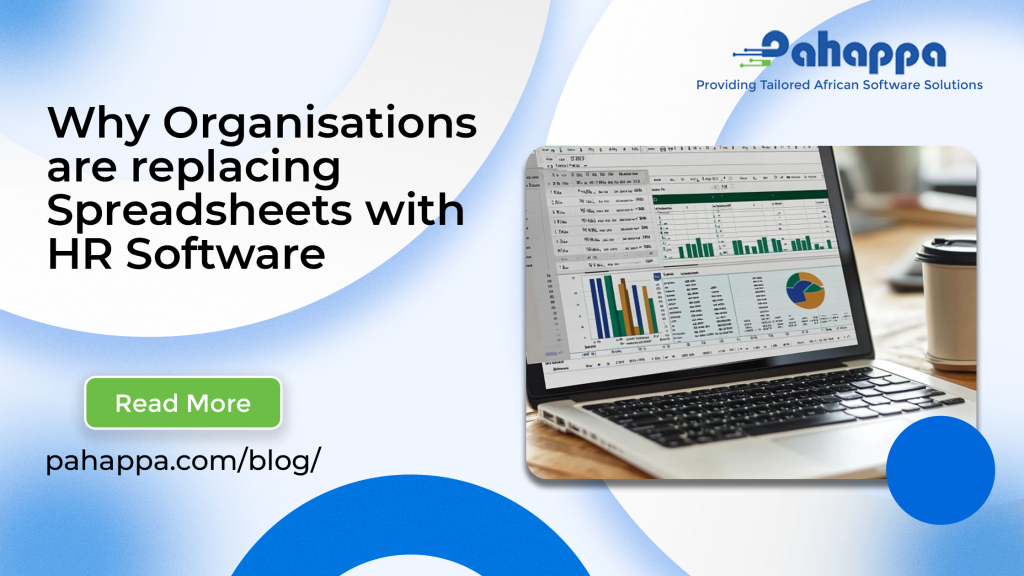
Many growing organisations start with spreadsheets for HR management, storing employee details, leave balances, attendance records, and payroll calculations in separate files. Initially manageable, this approach becomes challenging as the workforce expands and policies grow more complex, creating a need for faster access to reliable information. Consequently, many organisations are shifting to dedicated HR software, which connects processes for employee data, attendance, leave, payroll, and performance information.
Why Are Spreadsheets Becoming Difficult for Growing HR Teams?
An HR manager in a growing organisation faces challenges with managing employee data across multiple spreadsheets. Attendance and leave days are tracked separately, and payroll requires various checks before salaries can be calculated. Department managers also store performance records. When an employee takes leave, several files may need updating, further complicating the process. The issue isn’t just that spreadsheets can store data; HR involves interconnected processes, and as the organisation expands, manually maintaining these connections becomes increasingly difficult.
What Is HR Software?
HR software is a digital system that helps organisations manage employee information and automate essential HR processes like payroll, attendance, leave, and performance management. Instead of using multiple files, HR teams can centralise workforce data. For instance, PahappaHR integrates employee records, payroll, leave, attendance, and performance management into one platform, automating routine tasks so HR can focus more on people management. Unlike a spreadsheet, HR software allows HR to record, process, connect, and act on information effectively.
1. Employee Data Becomes Easier to Manage
Accurate employee information is essential for HR processes such as payroll, leave, and performance management. Scattered records across spreadsheets make it difficult to maintain reliable data, leading to complications with outdated salaries or department information.
HR software like PahappaHR offers a central database for personal details, contracts, and documents, along with employee self-service and access controls. This streamlines the organisation, updating, and retrieval of HR information for growing organisations.
2. Payroll No Longer Has to Depend on Multiple Manual Calculations
Managing payroll with spreadsheets can create significant administrative challenges for HR teams because manual data transfer increases the risk of errors. Software like PahappaHR simplifies this by consolidating payroll information and automating calculations, approvals, and deductions for various employee categories, such as full-time, contract, and remote staff, resulting in faster, more reliable payroll processing.
3. Leave Management Becomes a Process, Not Just a Tracker
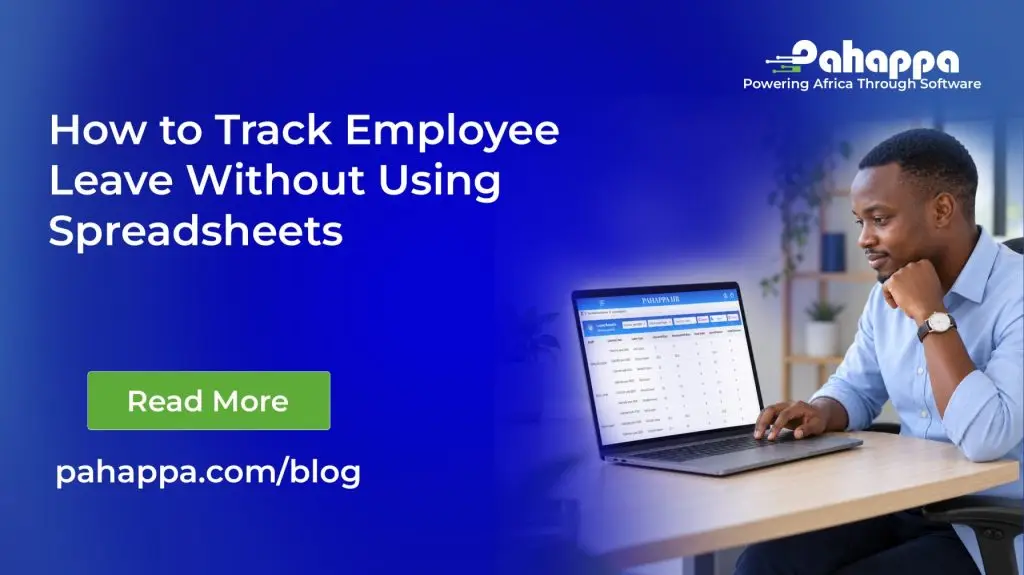
Leave management goes beyond tracking days; it involves requests, approvals, and balancing visibility for HR. Managing this process through emails and spreadsheets can be time-consuming.
HR software like PahappaHR streamlines the workflow, enabling seamless request submissions and approvals, while enhancing visibility for both employees and managers.
4. Attendance Data Can Be Connected to the Rest of HR
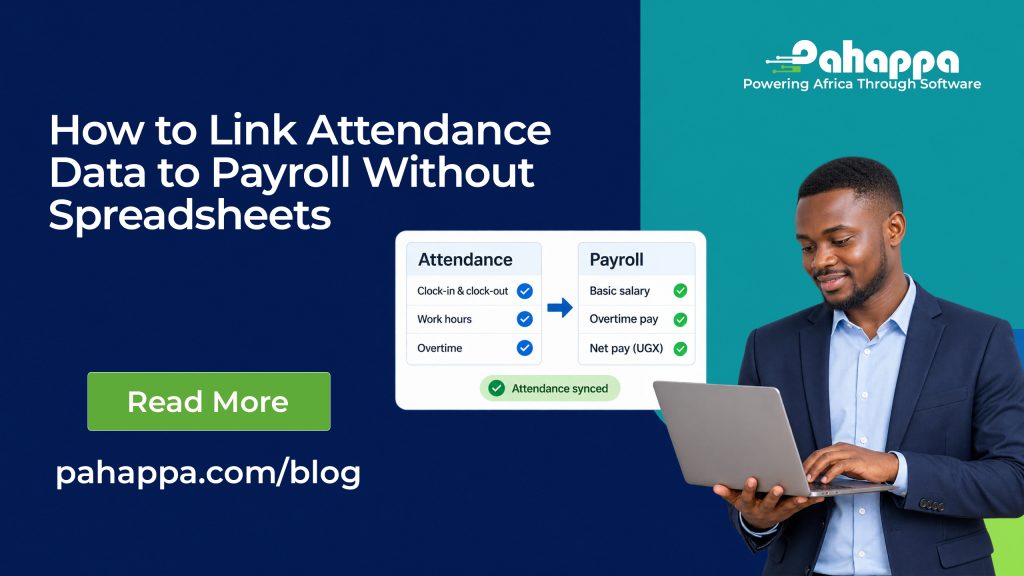
Managing attendance becomes challenging as a workforce grows. HR needs to track attendance, late arrivals, hours worked, and absences. Keeping attendance separate from employee records can create time-consuming reconciliations. An integrated HR system like PahappaHR simplifies attendance management with biometric integration, improving visibility for managers and reducing data transfer for HR.
5. Performance Management Moves Beyond Static Records
Managing employee performance can be tough when goals and updates are spread across spreadsheets. PahappaHR simplifies this by allowing organisations to set goals, track KPIs, and conduct performance reviews through structured workflows, giving HR and managers a clearer view of employee performance throughout the appraisal cycle.
From Administrative HR to Strategic HR
One major limitation of spreadsheets is the time HR spends managing them. Every hour spent on tasks like checking leave balances or consolidating attendance records takes away from strategic work like workforce planning and employee development.
Automation can shift this balance. With routine tasks handled more efficiently, HR can focus on critical questions such as: Are we developing the right skills? Which teams need support? Are employees meeting performance goals? How do attendance patterns affect productivity?
This transition allows HR technology to evolve beyond just an administrative tool, becoming essential for informed workforce decisions.
Why Data Accuracy Matters More as Organisations Grow
A small error in an HR spreadsheet may seem harmless, but it can impact several processes. For example, an incorrect salary figure affects payroll, while an outdated leave balance can lead to incorrect approvals. As organisations grow, accurate HR data becomes crucial for financial planning, compliance, performance management, and workforce strategy. Centralising HR information and minimising manual entry through HR software helps maintain consistent employee records and reduces discrepancies across departments.
HR Software Can Also Support Compliance
Managing employees requires organisations to adhere to labour, payroll, and internal policies. Manual record-keeping can complicate payroll calculations and HR processes. HR systems can integrate relevant rules and workflows to streamline compliance. PahappaHR in Uganda incorporates PAYE and NSSF calculations, ensuring alignment with local regulations. While this aids consistency, organisations still need to understand and follow applicable labour laws.
When Should an Organisation Move from Spreadsheets to HR Software?
There is no specific employee number at which organisations should stop using spreadsheets; consider whether HR processes have become too complex for disconnected files. Signs that an organisation may need HR software include frequent spreadsheet reconciliations, difficulty locating employee information, lengthy payroll preparation, manual leave checks, limited visibility into attendance or performance, and complicated reporting. These issues typically arise in organisations with 10 or more employees, where HR processes become crucial. PahappaHR is tailored for organisations with 10 or more employees and can scale with workforce growth.
How Does PahappaHR Compare with Other HR Software Solutions?
Transitioning from spreadsheets is just the first step; organisations need to find an HR system suited to their environment. For African organisations, it’s essential to look beyond features. A good HR organisation meets local payroll needs, supports real HR processes, stays affordable as the workforce expands, and offers accessible user support. Its flexible model balances cost-effective spreadsheets with complex enterprise software, providing structured HR management that scales with growth.
Conclusion
Spreadsheets are useful but often struggle with complex HR processes like payroll, attendance, leave, performance management, and compliance. Siloed information wastes HR teams’ time. An integrated HR system, such as PahappaHR, offers a unified view, streamlines operations, and automates tasks. Moving to a dedicated HR platform turns manual record-keeping into connected processes that support organisational growth.
Ready to enhance your HR management? Book a free PahappaHR demo today.