Growth is good news for any organisation. More employees often mean more customers, more opportunities, and more capacity to deliver.
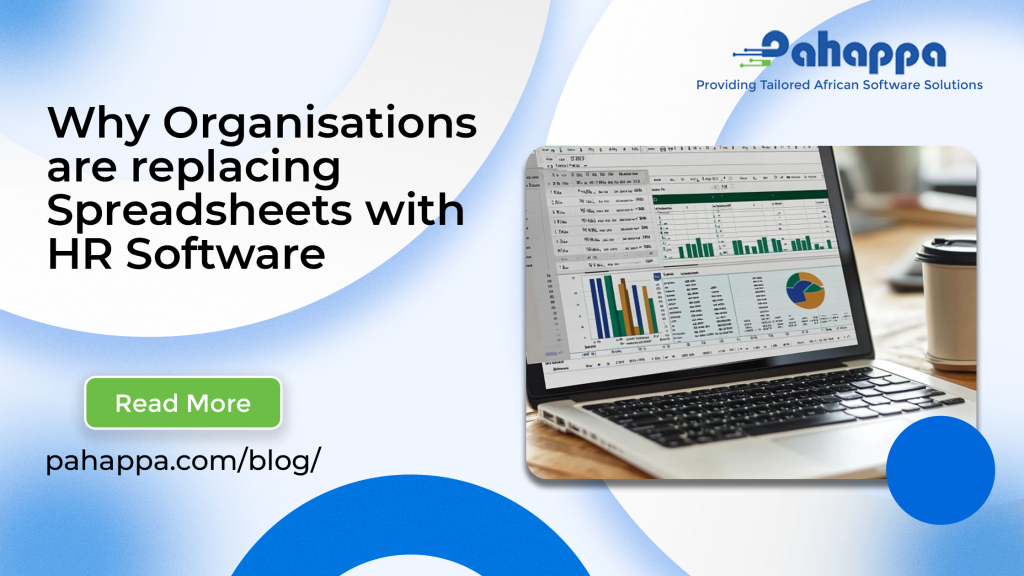
But growth also brings complexity. A payroll process that worked perfectly for 10 employees may become frustrating when the organisation reaches 30, 50, or 100 employees. Suddenly, HR teams check spreadsheets, compare attendance records, review leave days, correct salary figures, and answer payroll questions every month.
That is where payroll automation becomes valuable.
Rather than simply speeding up payroll, automation can help organisations improve accuracy, strengthen compliance, reduce repetitive HR work, and make better workforce decisions.
Here are seven payroll challenges growing organisations should consider automating.
Manual Salary Calculations
Calculating salaries manually may seem manageable for a small team. As the workforce grows, however, payroll can involve allowances, deductions, attendance records, leave information, and other employee-specific details.
One wrong formula can affect several employees.
Payroll management software reduces the repetitive calculations HR teams must do manually. With the right system, employee information can be organised in one place, making payroll preparation more consistent and easier to review.
Inaccurate Employee Data
Payroll accuracy depends heavily on accurate employee information.
A wrong salary figure, outdated employee record, or incorrect attendance entry can easily create payroll discrepancies.
Growing organisations therefore need more than a payroll spreadsheet. They need reliable staff data management.
Systems such as PahappaHR help organisations centralise employee information so HR teams can work from more consistent data when managing payroll and other HR processes.
Reconciling Attendance With Payroll
Imagine an HR manager spending the final days of every month comparing attendance sheets with payroll records.
Who reported late? Who was absent? Which records need clarification?
The larger the workforce becomes, the more time this takes.
Integrating attendance management with broader HR processes can reduce unnecessary back-and-forth and give HR teams better visibility into workforce information.
Instead of searching through multiple files, organisations can manage attendance records more systematically.
Tracking Leave Before Payroll Is Processed
Leave management can also affect payroll administration.
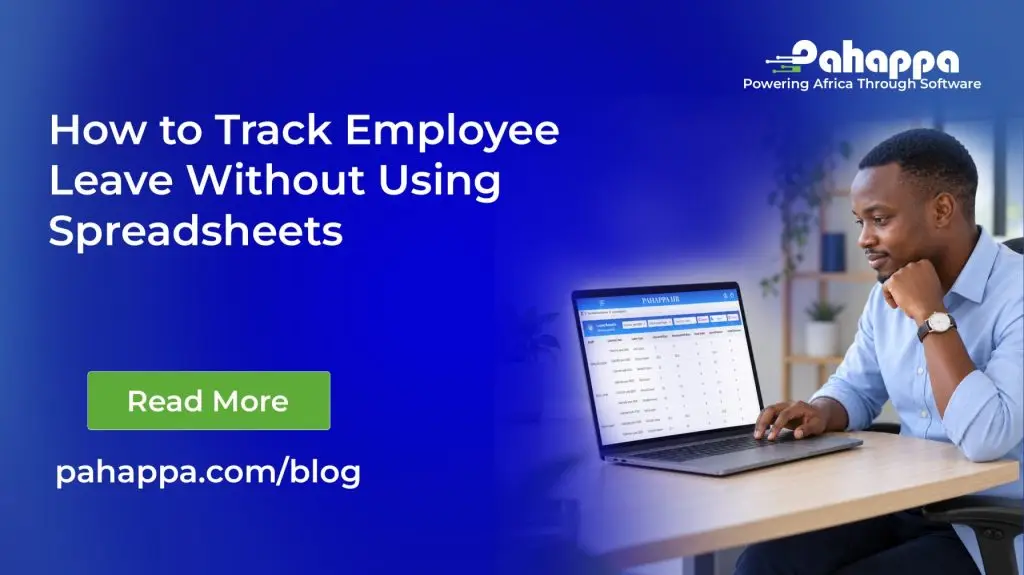
Employees may take annual leave, unpaid leave, maternity leave, sick leave, or other forms of approved time away from work. When leave records are handled separately from other HR information, payroll teams may have to manually confirm details before processing salaries.
Automating leave management makes it easier to maintain accurate records and reduces the risk of missing important employee information.
For growing organisations, connecting payroll, leave, attendance, and staff data can create a much smoother HR workflow.
Managing Payroll Compliance
As organisations expand, compliance becomes increasingly important.
Payroll teams may need to maintain accurate employment records, apply the organisation’s policies consistently, and ensure payroll processes align with applicable labour and statutory requirements.
Manual processes make oversight harder because information may be scattered across spreadsheets, emails, and paper files.
HR and payroll software can help organisations keep records more organised, improve data accuracy, and strengthen compliance processes.
Automation does not replace professional legal or accounting advice. Still, it can give organisations better control over the information they rely on.
Correcting Repetitive Payroll Errors
Few conversations are more uncomfortable for HR than telling an employee that their salary was calculated incorrectly.
Even small payroll errors can damage trust.
The problem is that manual payroll processes often create the same opportunities for error every month: copying data, entering figures, checking attendance, updating employee records, and performing calculations.
Automation reduces unnecessary manual work and lets HR teams focus on reviewing exceptions rather than rebuilding payroll information from scratch.
Spending Too Much HR Time on Administration
Perhaps the biggest payroll challenge is not payroll itself.
It is the amount of HR time payroll can consume.
When HR professionals spend hours every month checking records, updating spreadsheets, confirming leave, and correcting payroll information, they have less time for activities such as employee development, performance management, workforce planning, and organisational strategy.
For organisations with 10 or more employees, automating routine HR processes can become an important step toward building a more efficient HR function.
Payroll Automation Is Really About Better Workforce Management
Growing organisations should not think of payroll automation as simply replacing spreadsheets.
The bigger opportunity is connecting payroll with the rest of the employee lifecycle.
PahappaHR brings together payroll management, leave management, attendance management, performance management, and staff data management within a broader HR management solution.
For growing African organisations, that means HR teams can spend less time performing routine administrative tasks and more time making decisions that support employees and business growth.
With a subscription-based model and customer support, PahappaHR is designed to make modern HR management more accessible to organisations that need faster, more organised HR processes.
Frequently Asked Questions
What is payroll automation?
Payroll automation uses software to streamline tasks like managing employee information, calculations, and payroll records, reducing manual data handling.
Why should growing organisations automate payroll?
As employee numbers rise, manual payroll becomes time-consuming and error-prone. Automation enhances efficiency, accuracy, and visibility in HR processes.
What payroll challenges can HR software help solve?
HR software helps organisations manage employee data, payroll, attendance, leave, administrative tasks, reporting, and record-keeping.
How does PahappaHR support payroll management?
PahappaHR integrates payroll with HR functions like attendance, leave, performance, and staff data management, streamlining workforce information into one cohesive system.
Final Thoughts
Payroll issues often develop gradually as organisations expand, leading to delays and errors. What starts as a simple spreadsheet can become a complex challenge for HR teams. To avoid this, growing organisations should automate payroll early on. By integrating payroll, attendance, leave, performance, and employee data into a unified HR system, organisations improve accuracy and reduce repetitive tasks. PahappaHR helps organisations move from fragmented HR processes to a streamlined approach. Efficient payroll is vital for scalable HR processes. Ready to simplify payroll?
Book a free PahappaHR demo today to see how we can help manage your growing workforce effectively.