Finding the right employee can be exciting. It means your business is growing, new opportunities are opening up, and your team is preparing for its next chapter. But behind every successful hire is a recruitment process that requires time, coordination, and careful decision-making.
For many businesses in Uganda and across Africa, managing job applications can quickly become overwhelming. CVs arrive by email, candidates follow up on WhatsApp, and hiring managers struggle to track who has been shortlisted or interviewed. What should be an opportunity to attract great talent can easily turn into an administrative headache.
This is where an Applicant Tracking System (ATS) comes in. By bringing structure and visibility to recruitment, an ATS helps businesses manage applications more efficiently and make better hiring decisions.
What Is an Applicant Tracking System?
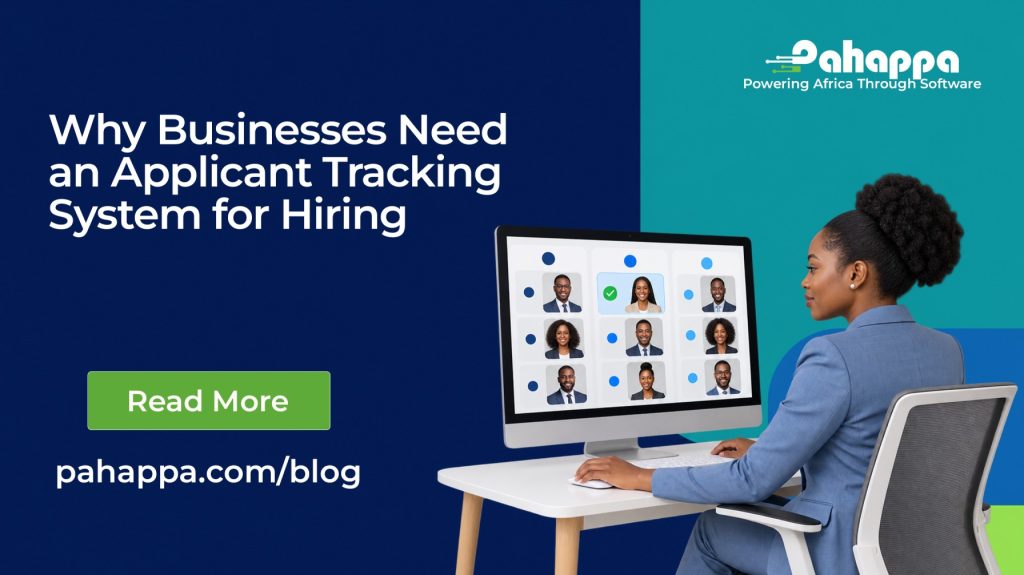
An Applicant Tracking System (ATS) is recruitment software that helps organisations collect, organise, track, and manage job applications throughout the hiring process.
Instead of sorting through countless emails and spreadsheets, HR teams can use an ATS to maintain candidate records, monitor application progress, schedule interviews, and coordinate hiring decisions.
For organisations with 10 or more employees, having a structured recruitment process becomes increasingly important as teams expand and hiring needs evolve.
But effective recruitment goes beyond organising CVs It involves creating a positive candidate experience while ensuring hiring managers have the information they need to make informed decisions.
Why Managing Job Applications Matters
Imagine this: Your company advertises a vacancy and receives over 100 applications within a week. Somewhere in that pile could be the perfect candidate.
However, your HR manager is juggling recruitment alongside payroll preparation, leave approvals, and employee attendance records. Applications are scattered across platforms, interview schedules keep changing, and some qualified candidates never hear back.
Sound familiar?
When recruitment relies heavily on manual processes, businesses risk losing promising candidates, delaying hiring decisions, and placing unnecessary pressure on HR teams.
A well-organised application management process helps prevent these challenges by ensuring every candidate moves through a clear and consistent recruitment journey.
How to Manage Job Applications Effectively
Whether your organisation is hiring its fifth employee or expanding into new markets, these five practices can make recruitment more manageable.
1. Centralise Job Applications
The first step is to keep applications organised in one place.
Instead of relying on multiple email threads and spreadsheets, use a centralised recruitment system to store CVs, contact information, and other relevant candidate details.
This makes it easier to retrieve applications, reduce duplication, and maintain accurate recruitment records.
2. Establish Clear Screening Criteria
Before reviewing applications, identify the qualifications, skills, and experience required for the position.
An ATS can support structured screening by helping recruiters organise applicants against job-related requirements.
However, technology should support human judgment, not replace it. Fair and consistent screening criteria remain essential to identifying suitable candidates.
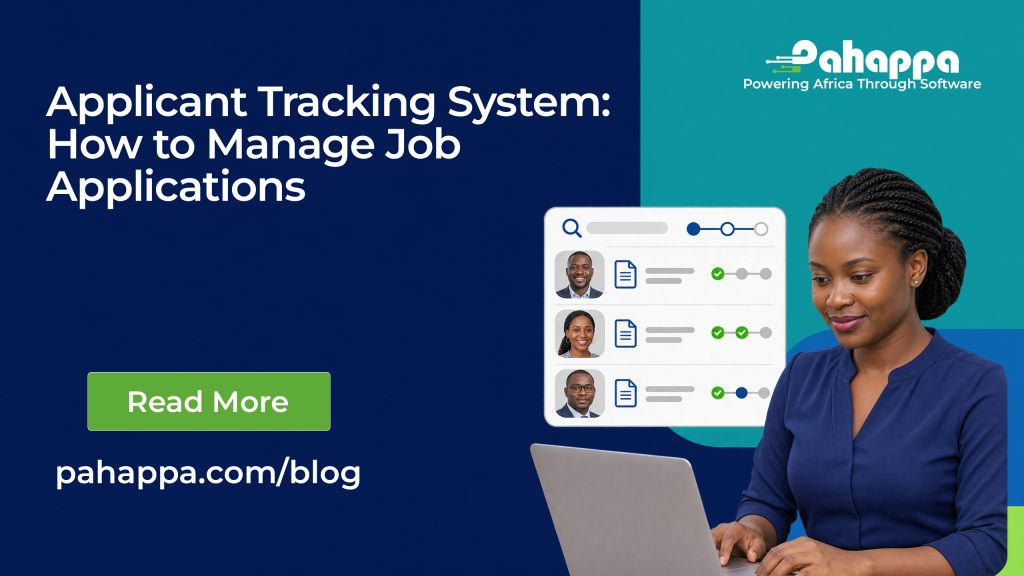
3. Track Candidates Through Every Hiring Stage
Recruitment involves several stages, from receiving applications to shortlisting, interviewing, and making an offer.
Without proper tracking, candidates can easily fall through the cracks.
An effective ATS gives hiring teams visibility into where applicants stand, helping them identify delays and coordinate the next steps.
4. Communicate With Candidates Promptly
Candidates appreciate knowing where they stand.
Timely application acknowledgements, interview invitations, and status updates create a more professional recruitment experience.
Even unsuccessful applicants deserve clear communication. How an organisation treats candidates can influence its reputation as an employer.
5. Use Recruitment Data to Improve Hiring
How long does it take your organisation to fill a vacancy? Which recruitment channels attract qualified applicants? Where do candidates experience the longest delays?
Tracking these questions helps HR managers identify inefficiencies and improve future recruitment efforts.
The goal isn’t simply to hire faster. It’s to make better decisions while using recruitment resources wisely.
From Recruitment to Employee Management: Where PahappaHR Fits In
Managing applications is only the beginning of the employee journey.
Once a candidate accepts an offer, HR teams must manage employee information, attendance, leave, performance, and payroll. When these activities rely on disconnected processes, administrative challenges can continue long after recruitment ends.
This is where PahappaHR, an HR and payroll management software solution, supports growing businesses.
PahappaHR helps organisations streamline essential HR operations through:
- Staff Data Management: Organise employee information and keep staff records accessible.
- Payroll Management: Simplify payroll administration and reduce repetitive calculations.
- Leave Management: Streamline employee leave requests, approvals, and tracking.
- Attendance Management: Improve visibility into employee attendance.
- Performance Management: Support employee performance monitoring and management.
For businesses looking to strengthen their HR processes, these capabilities help create a more organised approach to workforce management.
While an Applicant Tracking System focuses on managing candidates before hiring, PahappaHR’s established HR management capabilities support employees after they join the organisation.
Together, structured recruitment practices and efficient employee management can help businesses create a smoother transition from candidate to team member.
Why Growing African Businesses Need Smarter HR Processes
As organisations expand, HR responsibilities become more complex. What worked for a team of five may no longer be practical for a workforce of 50 or more.
Businesses need systems that reduce repetitive administration, improve data accuracy, and support compliance with applicable labour regulations.
PahappaHR offers a subscription-based approach to HR management, making it an option for organisations seeking to modernise their processes without relying entirely on manual administration.
Its customer support is also an important consideration for businesses evaluating HR software.
Rather than choosing technology based on the number of features alone, organisations should consider affordability, usability, support, and how well a solution addresses their operational needs.
Conclusion
Managing job applications shouldn’t mean losing track of promising candidates or spending endless hours sorting through paperwork.
With a structured recruitment process and the right Applicant Tracking System, businesses can improve candidate communication, reduce administrative delays, and make more informed hiring decisions.
But recruitment is only one part of building a successful workforce. Once the right people join your organisation, managing them effectively becomes just as important.
PahappaHR helps businesses simplify everyday HR responsibilities, giving HR teams more time to focus on people, performance, and organisational growth.
Ready to improve how your organisation manages its workforce? Book a free PahappaHR demo today!