Every organisation seeks productive employees, but productivity isn’t just about working harder. Employees perform better when they understand expectations, see how their work fits into the bigger picture, receive constructive feedback, and have the necessary support. As businesses grow, maintaining this clarity becomes challenging.
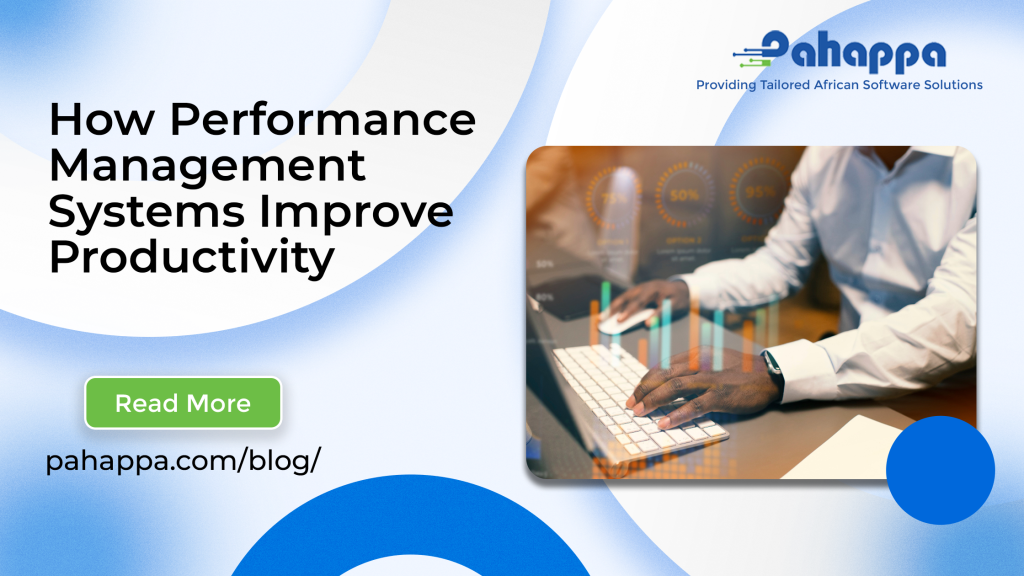
A performance management system is essential in this context. It enhances productivity by aligning employee goals with business priorities, tracking progress, facilitating regular feedback, identifying development needs, and providing managers with critical information for decision-making. Rather than being a one-time annual event, performance management should be an ongoing process of setting expectations, monitoring outcomes, and supporting improvement.
Professional HR guidance supports continuous performance management, emphasising that objectives should adapt to business priorities and that feedback should be regular, timely, and improvement-focused.
Performance Is Not Just About Working Harder
In a busy company, employees may seem productive: salespeople calling, teams responding, managers in meetings. Yet, by the end of the quarter, key targets might remain unmet. The problem often lies in misalignment rather than a lack of effort.
Employees can expend energy on tasks that don’t align with top priorities, resulting in minimal progress. Effective performance management requires answering key questions:
- What results are we aiming for?
- How does each employee contribute?
- How will we measure progress?
- Where is performance lagging?
- What support is needed?
- What are the next steps?
Consistently addressing these questions enhances productivity management.
What Is a Performance Management System?
A performance management system is a structured approach to setting employee objectives, tracking progress, providing feedback, and evaluating results to support employee development aligned with organisational goals. It differs from a performance appraisal, which is a one-time review.
In contrast, performance management encompasses the ongoing process of planning, monitoring, and developing employee performance. Modern performance management software, like PahappaHR, streamlines this by integrating goal setting, real-time tracking, feedback, appraisals, and reporting for better visibility into employee performance and team productivity.
How Performance Management Systems Improve Productivity
They Turn Company Goals Into Clear Employee Priorities
A major productivity challenge in growing organisations is the ambiguity around what defines good performance. For example, a customer service officer tasked with “improving customer service” may be unclear on whether to focus on response times, satisfaction, or resolution rates.
A performance management system clarifies organisational goals into specific individual and team objectives, such as enhancing customer retention with measurable responsibilities. This system helps employees identify focus areas, allows managers to monitor progress, and connects individual efforts to broader goals. PahappaHR assists in this process by enabling managers to set and track specific project or task goals.
They Make Feedback Continuous
Relying solely on annual reviews can lead to significant lost opportunities, as illustrated by discovering a recurring issue nine months after it began. Timely feedback enhances productivity by allowing managers to address concerns and offer guidance before small problems escalate. The CIPD advocates for regular, constructive feedback that focuses on improvement. This approach shifts performance discussions from blame to collaboration: instead of saying, “You failed to achieve this,” it becomes, “Here is where progress is slowing down. What needs to change?” PahappaHR emphasises ongoing feedback and coaching, integrating performance management into daily practices rather than saving it for annual appraisals.
They Identify Performance Problems Earlier
Performance problems that are not visible are challenging to address. For example, a sales target might be slipping, or an employee may need specific training. Without structured performance data, managers often rely on impressions or frequent interactions. A performance management system enhances visibility, allowing managers to monitor goals, review past performance, and identify coaching needs. PahappaHR emphasises continuous performance tracking to facilitate quicker improvements and better workforce planning. The goal is improvement, not surveillance.
They Replace Guesswork With Better Data
Who deserves recognition? Which employees are ready for more responsibility? Where are teams underperforming? Performance management systems, like PahappaHR, help address these challenges by consolidating employee information and providing consistent records, appraisal reports, and goal histories.
This shift transforms the approach from subjective impressions to data-driven insights, enhancing decision-making without replacing managerial judgment.
They Make Recognition More Evidence-Based
Productivity involves acknowledging both successes and challenges. When strong performance goes unnoticed, employees may feel their efforts don’t matter. A structured performance process makes achievements visible, allowing managers to recognise contributions and identify top talent. PahappaHR emphasises evidence-based recognition through its performance-tracking workflow, ensuring that acknowledgement is based on documented contributions rather than visibility or personal bias.
They Help HR Spend Less Time on Administration
Many organisations overlook HR’s own productivity, especially when performance reviews rely on manual processes. This often leads to a cycle of creating spreadsheets, sending reminders, and consolidating records, which increases administrative work as the workforce grows. PahappaHR automates HR processes like performance management, payroll, and leave approvals, aiming to reduce errors and save time. This allows HR teams to focus on higher-value tasks such as workforce planning, employee development, and strategic decision-making.
Performance Management Is Bigger Than the Performance Module
A productive workforce cannot be assessed through appraisals alone. A sudden decline in an employee’s output could be due to various factors, such as attendance issues, extended leave, or role changes.
This is why performance management is more effective within a broader HR ecosystem. PahappaHR integrates performance management with payroll, leave, attendance, and staff data management. Its capabilities centralise records and improve workforce planning.
The key takeaway is that you cannot optimise workforce performance when critical information exists in isolation. Integrated HR data allows decision-makers to gain context before taking action.
Why PahappaHR Makes Sense for Growing African Organisations
Africa’s organisations need adaptable HR systems to tackle operational challenges. PahappaHR offers an integrated HR management platform suitable for organisations with 10 or more employees, featuring flexible pricing.
Key performance management capabilities include:
- Goal setting
- Real-time tracking
- Feedback and coaching
- Performance appraisals
- Reporting
- Mobile-friendly dashboards
- Project-linked goals
- Exportable appraisal data
- Custom templates
With dedicated customer support and personalised guidance, PahappaHR is ideal for growing organisations seeking a unified approach to performance management and HR functions.
Frequently Asked Questions
What is the main purpose of a performance management system?
The main purpose is to help employees and teams effectively contribute to organisational objectives by setting expectations, measuring progress, providing feedback, evaluating results, recognising achievements, and supporting development.
What is the difference between performance management and performance appraisal?
Performance management is an ongoing process that encompasses goal setting, monitoring, coaching, feedback, development, and evaluation. In contrast, a performance appraisal is a specific review within that process.
How often should employee performance be reviewed?
Performance management should be continuous, with regular feedback, rather than relying solely on annual reviews. Formal appraisals can still act as structured checkpoints within this ongoing process.
Conclusion
Performance management should be an ongoing conversation, not just an annual review. Done effectively, it fosters discussions about organisational goals, individual responsibilities, progress, and areas for improvement, ultimately boosting productivity.
It provides employees with clear direction, offers managers better visibility, ensures consistent HR processes, and supplies leaders with vital workforce information.
For growing organisations, the key is to cultivate a connected performance culture where goals, feedback, development, and recognition align. PahappaHR integrates this process within a comprehensive HR platform, combining performance management with payroll, leave, attendance, and employee data to support more cohesive people management. Book a free demo today!